Dragon Reborn: A Typeface That Embodies Strength and Storytelling
In the world of design, typography plays a crucial role in shaping perception. Whether you're crafting a brand identity, designing a poster for an event, or preparing a book cover that needs to grab attention, choosing the right font can make all the difference. One such typeface that stands out for its bold presence and narrative depth is Dragon Reborn. This commanding blackletter font merges traditional Gothic forms with Eastern-inspired aesthetics, offering designers a unique tool to evoke power, mystique, and epic storytelling.
What Is Dragon Reborn?
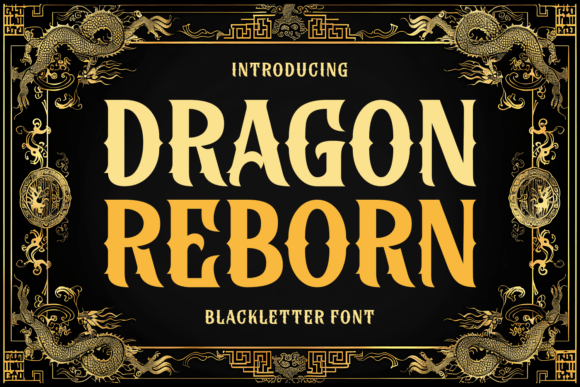
Dragon Reborn is more than just a font—it's a visual statement. It combines the historical weight of blackletter script with the elegance and symbolism found in Eastern calligraphy. The result is a typeface that feels both ancient and modern, making it highly versatile for creative projects that require a strong, memorable impact. Its ornate serifs and slightly rugged texture add character and authenticity, while the accompanying golden dragon graphics and intricate borders elevate the overall design aesthetic.
This font is particularly well-suited for genres like fantasy, martial arts, and historical fiction, where atmosphere and emotion are key. But its appeal extends beyond niche categories; any project seeking to convey strength, tradition, or grandeur can benefit from using Dragon Reborn.
When Should You Use Dragon Reborn?
Designers often face the challenge of selecting a font that aligns with their project’s tone and purpose. For many, especially those working in themed content, finding a balance between readability and style is essential. Dragon Reborn addresses this need by offering a distinctive yet legible option that doesn’t compromise on visual appeal.
If you’re creating a logo for a fantasy guild, a promotional poster for a martial arts film, or a cover for a historical novel, Dragon Reborn provides the kind of typographic flair that can turn a simple text into a compelling visual element. It's also useful for branding initiatives that aim to stand out in a crowded market—think of a new line of luxury stationery or a boutique selling custom-made armor inspired by medieval legends.
Challenges Addressed by Dragon Reborn
- Lack of Visual Identity: Generic fonts can make your design blend in rather than stand out. Dragon Reborn adds a sense of majesty and uniqueness that helps establish a strong visual identity.
- Difficulty Conveying Tone: Whether your goal is to create something fierce, noble, or mysterious, the right typography sets the mood. Dragon Reborn does this effortlessly with its bold and textured letterforms.
- Need for Cultural Authenticity: When incorporating elements of Eastern or Western mythology into your work, maintaining cultural respect and relevance is important. Dragon Reborn’s fusion of styles offers a respectful nod to both traditions without leaning too heavily into one.
Practical Applications of Dragon Reborn
There are countless ways to implement Dragon Reborn into your designs. Here are some common use cases and how they might benefit from this powerful typeface:
Logo Design
Logos serve as the face of a brand, and the right font can instantly communicate values and personality. For businesses related to gaming, literature, or even wellness with a mystical angle, Dragon Reborn can help craft a logo that commands attention and suggests strength and tradition.
Example: A new fantasy-themed café could use Dragon Reborn for its logo to evoke the feeling of stepping into a magical realm. Pair it with imagery like flames, dragons, or ancient symbols to enhance the effect.
Poster and Print Media
Posters designed for events, exhibitions, or theatrical performances often require a dramatic touch. Dragon Reborn delivers exactly that with its striking appearance. Its boldness ensures legibility from a distance, while the ornate details invite closer inspection.
Example: A martial arts convention might feature Dragon Reborn in the title of its promotional posters. Combined with visuals of warriors or swords, it creates a cohesive and powerful message.
Book Covers and Publishing
For authors and publishers, the first impression is everything. A book cover featuring Dragon Reborn can immediately signal genre and tone, drawing in readers who appreciate epic narratives or deep-rooted lore. Its versatility allows it to be used for both titles and chapter headings, adding continuity to the design.
Example: A fantasy novel set in a mythical kingdom ruled by dragons would be perfectly complemented by a cover using Dragon Reborn. The golden dragon graphics included with the font package offer an extra layer of thematic consistency.
How Different Users Can Leverage Dragon Reborn
The beauty of Dragon Reborn lies in its adaptability. Depending on the user’s background and goals, it can be applied in various ways:
- Graphic Designers: Use it to add a touch of gravitas to editorial layouts, movie posters, or album art. Consider pairing it with softer sans-serif fonts to maintain readability while highlighting key text.
- Authors and Publishers: Incorporate it into book covers, especially for genres like fantasy, horror, or historical fiction. It works well in titles but should be balanced with other fonts for body text or subtitles.
- Entrepreneurs and Brand Owners: Apply it to logos, packaging, or marketing materials for products that emphasize heritage, strength, or adventure. It’s ideal for niche markets looking to build a unique and memorable brand image.
- Content Creators and Social Media Marketers: Use it in headers for blog posts, YouTube thumbnails, or Instagram stories to create a consistent theme across platforms. It’s particularly effective when combined with dark backgrounds and gold accents.
Implementation Tips and Best Practices
- Use Sparingly: While Dragon Reborn is visually strong, overusing it can overwhelm a design. Reserve it for headlines or titles to let it shine without cluttering the layout.
- Pair Thoughtfully: Combine it with complementary fonts that contrast in weight and style. A clean sans-serif or serif font in a lighter weight can help guide the eye and provide a nice visual rhythm.
- Consider Color and Contrast: Blackletter fonts often look best against light or dark backdrops. Experiment with color schemes that highlight the ornate details—think metallic gold, deep reds, or rich blues.
- Utilize Supporting Graphics: Take advantage of the golden dragon and border elements included in the font package. These can reinforce the theme and add depth to your design without requiring additional assets.
- Test for Legibility: Always test the font at different sizes and distances. Although Dragon Reborn is bold and decorative, it’s still important that the text remains readable, especially if it includes complex characters or long passages.
Why Choose Dragon Reborn Over Other Fonts?
Many designers turn to popular fonts for their ease of use and wide compatibility. However, these fonts often lack the character needed to tell a story through typography. Dragon Reborn fills this gap by providing a visually rich option that doesn’t sacrifice professionalism. It’s not just about looking good—it’s about conveying meaning.
Whether you want to suggest the return of a legendary hero, the rise of a mystical empire, or the rebirth of a forgotten art form, Dragon Reborn has the symbolic weight to support your message. Its slightly rugged texture gives it a tactile quality, as though the words themselves were carved into stone or etched onto metal—an effect that resonates strongly in print and digital formats alike.
Final Thoughts
Dragon Reborn is a font that speaks volumes before a single word is read. It’s a tool that empowers designers to infuse their work with a sense of history, strength, and wonder. By understanding your project’s goals and audience, you can harness its potential to create designs that are not only beautiful but also deeply meaningful.
As with any design choice, the key is thoughtful implementation. Let Dragon Reborn be the anchor of your typographic strategy, and don’t be afraid to experiment with how it interacts with other elements of your composition. With the right approach, it can become a signature part of your creative identity—commanding attention and sparking imagination wherever it appears.