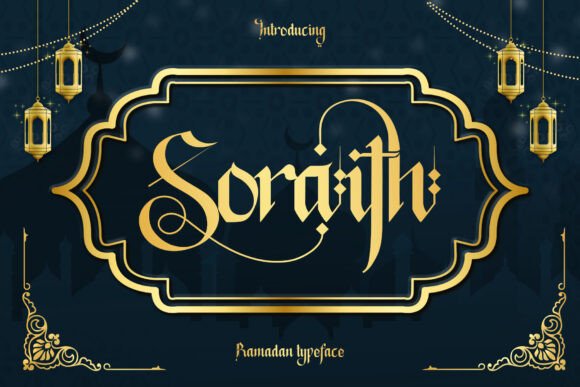
Soraith Regular: A Unique Typeface Merging Arabic Calligraphy and Islamic Ornaments
Soraith Regular is a distinctive typeface that stands out for its fusion of traditional Arabic calligraphy with the intricate beauty of Islamic ornamental design. Developed specifically to reflect the cultural and spiritual essence of Ramadan and other Islamic celebrations, this font offers designers a fresh way to incorporate Middle Eastern aesthetics into their projects. Its elegant alternates, sharp ligatures, and rich stylistic sets make it an ideal choice for those seeking to add a touch of sophistication and authenticity to festive designs, Eid greetings, mosque branding, packaging, and more.
Design Philosophy and Visual Characteristics
The Soraith Regular typeface draws inspiration from centuries-old Islamic art forms, where typography often serves both functional and decorative purposes. This dual focus is evident in the font’s structure—each character is crafted with a balance between clarity and artistic flair. The strokes exhibit the fluidity typical of Arabic calligraphy while being stylized to fit modern design expectations. These characteristics allow the font to feel both timeless and contemporary, making it adaptable across various applications.
One of the key features that distinguish Soraith Regular is its attention to detail. The inclusion of elegant alternates gives users the ability to customize text appearance, adding visual interest without compromising readability. Additionally, the sharp ligatures are not only aesthetically pleasing but also serve to enhance legibility in longer passages of text by connecting characters seamlessly.
Stylistic Sets and Customization Options
Soraith Regular comes equipped with multiple stylistic sets that cater to different design needs. Whether you’re looking for a more geometric interpretation or one with floral motifs embedded in the letterforms, these options provide flexibility. Designers can choose from variations that emphasize the script's boldness or introduce subtle ornamentation, ensuring the font can be tailored to match specific project goals.
This level of customization makes Soraith Regular especially valuable for branding initiatives related to Islamic institutions or products aimed at Muslim communities during religious observances. For instance, a mosque might use it in promotional materials to convey tradition and reverence, while a designer could apply it to Eid greeting cards to evoke warmth and festivity.
Comparing Soraith Regular with Other Script and Display Fonts
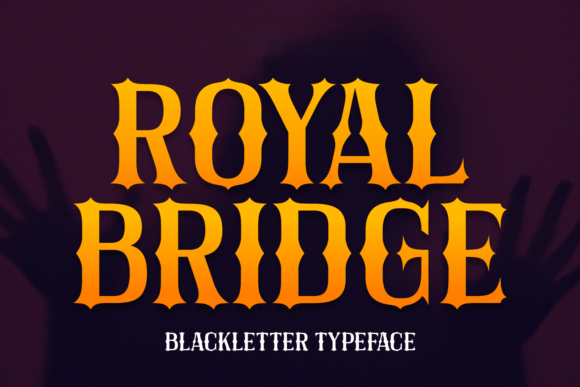
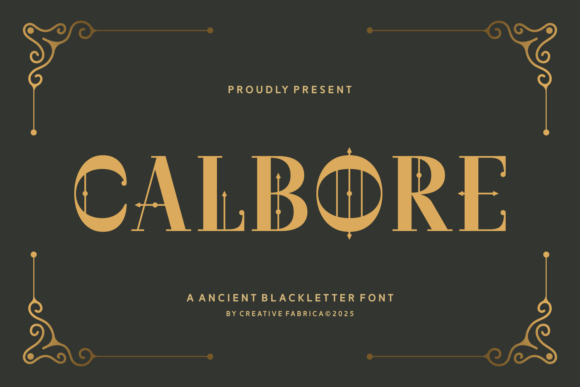
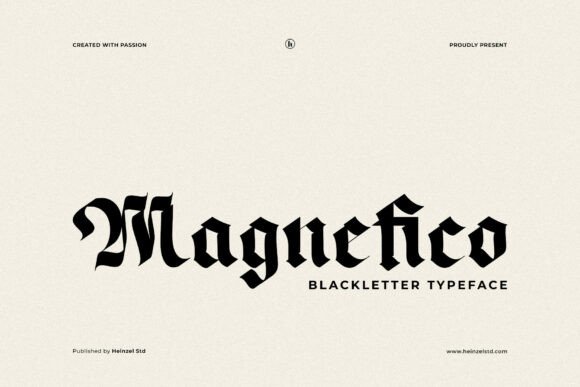
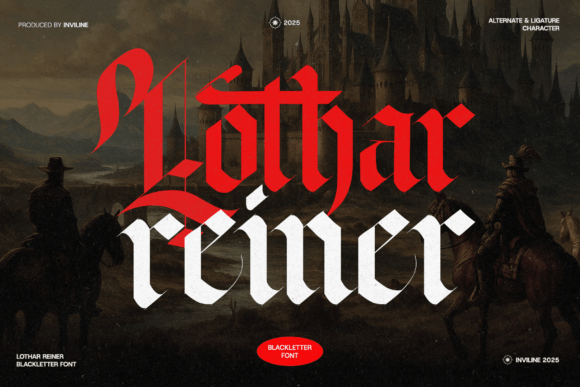
When evaluating typefaces suitable for Islamic-themed projects, many designers consider traditional blackletter fonts or modern script styles. However, Soraith Regular occupies a unique niche by combining the boldness of blackletter with the grace of Arabic calligraphy. Unlike standard blackletter fonts that may appear too heavy or rigid, Soraith Regular retains a sense of movement and elegance, which is essential for capturing the spirit of Islamic culture.
Compared to other script fonts inspired by Arabic, Soraith Regular is notable for its integration of Islamic ornaments directly into the typeface. While some alternatives offer standalone embellishments or rely on external graphics, Soraith embeds these elements organically within the letters themselves. This eliminates the need for additional layers or images, streamlining the design process and ensuring consistency in typographic style.
Use Cases and Best-Fit Situations
- Festive Designs: Soraith Regular is particularly well-suited for creating visually engaging content during Ramadan, Eid al-Fitr, and Eid al-Adha. Its ornate yet readable style enhances posters, banners, and digital advertisements without overwhelming the viewer.
- Mosque Branding: With its spiritual undertones and bold presentation, this font can be used effectively in logos, event invitations, and informational signage for mosques and Islamic centers.
- Packaging and Merchandise: For products marketed toward Muslim consumers—such as halal food items, prayer accessories, or cultural gifts—Soraith Regular adds a layer of authenticity and aesthetic appeal.
- Digital Media and Web Projects: Though primarily a display font, Soraith Regular can be used in web headers and app interfaces when the goal is to create a strong visual identity rooted in Islamic heritage.
Strengths and Tradeoffs
One of the major strengths of Soraith Regular is its versatility in both print and digital formats. The font supports a wide range of languages and scripts, making it accessible to multilingual audiences. Furthermore, its bold blackletter style ensures visibility even at smaller sizes, which is beneficial for headlines and short text elements.
However, like many highly stylized typefaces, Soraith Regular has limitations in terms of body text usage. While it excels in attention-grabbing headings and decorative titles, it may not be the best option for long paragraphs due to its ornate nature. In such cases, pairing it with a simpler, more legible sans-serif or serif font can create a balanced typographic hierarchy.
Another consideration is the learning curve associated with using advanced OpenType features. Designers unfamiliar with tools like contextual alternates or ligature settings may find it necessary to spend extra time mastering how to leverage these capabilities effectively. Fortunately, most modern design software includes intuitive controls for managing these options.
When Soraith Regular May Be the Right Choice
Soraith Regular is an excellent choice for any project requiring a bold, expressive typeface with deep cultural roots. It shines in contexts where visual storytelling is important, such as: Ramadan-themed marketing campaigns, Eid greeting card designs, and Islamic educational materials. If your goal is to evoke a sense of tradition and celebration through typography, this font offers a compelling solution that aligns with authentic Islamic aesthetics.
When You Might Need Another Option
While Soraith Regular is powerful and expressive, there are scenarios where a different font might be more appropriate. For example:
- If your design requires extensive body copy, opt for a more neutral, readable font to maintain clarity and reduce eye strain.
- For minimalist or modern brand identities, a clean sans-serif or geometric typeface might better align with the desired tone.
- In multilingual environments beyond Arabic and English, ensure the font supports the necessary glyphs before finalizing your choice.
Practical Examples of Soraith Regular in Action
Consider a local halal restaurant launching a special Ramadan menu. Using Soraith Regular in their promotional header alongside a simple sans-serif body font creates a striking contrast that highlights the festive theme while keeping the information easy to read. Similarly, a stationery company selling Eid-themed notebooks and journals could use Soraith Regular to emboss titles or wrap text around ornamental borders, enhancing the product’s visual appeal and cultural relevance.
For mosque branding, Soraith Regular can be used in event posters and community announcements. Its bold and confident presence helps convey authority and respect, while the integrated Islamic motifs subtly reinforce the space’s sacred purpose. In packaging design, the font can be applied to gift boxes, prayer mats, or abayas, offering a cohesive and culturally resonant look that appeals to target demographics.
Alternatives to Consider
There are several other typefaces worth exploring if Soraith Regular doesn’t fully meet your needs. Traditional Arabic scripts like Diwani or Naskh provide historical accuracy but lack the bold, blackletter-inspired structure that Soraith Regular offers. On the other hand, Western-style script fonts such as Brush Script or Edwardian Script may suit certain design aesthetics but do not carry the same cultural resonance for Islamic themes.
If you're designing for a broader audience and require something more universal, consider hybrid fonts that blend Islamic motifs with global readability. These alternatives often sacrifice the depth of cultural symbolism found in Soraith Regular but can offer greater accessibility and familiarity in international markets.
Decision Factors for Choosing Soraith Regular
Selecting the right typeface depends on several factors, including the intended message, target audience, and design context. Here are a few questions to ask yourself when considering Soraith Regular:
- Do I need a font that reflects Islamic culture and tradition?
- Is my project focused on festivals like Ramadan or Eid?
- Am I looking for a bold, attention-grabbing typeface with decorative elements?
- Can I manage advanced typographic features like ligatures and stylistic sets?
Answering "yes" to these questions suggests that Soraith Regular is a strong candidate for your design needs. Conversely, if your project demands subtlety, neutrality, or large-scale readability, you may want to explore other options that better align with those priorities.
Accessibility and Readability Concerns
Accessibility is an important aspect of any design decision. While Soraith Regular is visually stunning, its ornate structure may pose challenges for individuals with visual impairments or dyslexia. To address this, it’s advisable to use the font selectively and pair it with a high-contrast, highly legible secondary font for supporting text. Ensuring sufficient spacing and color contrast will further improve readability without diminishing the font’s aesthetic impact.
Final Thoughts on Typographic Selection
In summary, Soraith Regular is a bold blackletter typeface that bridges the gap between Arabic calligraphy and Islamic ornamentation. It brings a unique visual language to typography, allowing designers to infuse their work with spiritual elegance and cultural significance. When compared with similar fonts, Soraith Regular distinguishes itself through its built-in stylistic richness and thematic alignment with Islamic traditions.
However, its effectiveness hinges on the design context. Used appropriately, it can elevate a project’s visual identity and emotional impact. Misused or overused, it risks becoming distracting or inaccessible. By understanding its strengths, tradeoffs, and ideal applications, you can determine whether Soraith Regular is the right choice for your next design endeavor.