Moxa Black: A Timeless Font for Modern Creativity
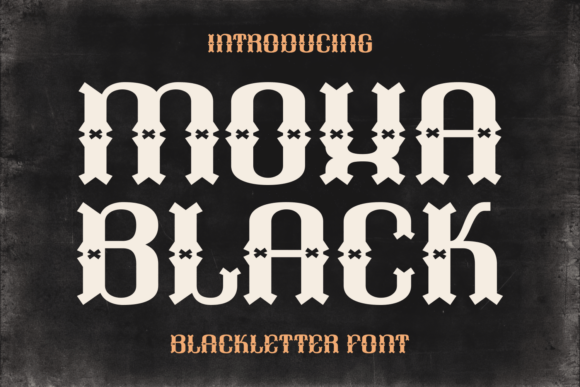
In the ever-evolving world of design, fonts play a crucial role in shaping visual identity and communication. Among the many typefaces available today, Moxa Black stands out as a compelling blend of historical elegance and contemporary appeal. As a blackletter font with grunge undertones, Moxa Black offers a unique aesthetic that bridges the gap between vintage charm and modern minimalism. Its clean yet bold character set makes it an excellent choice for designers seeking to evoke nostalgia while maintaining a fresh, stylish edge.
The Essence of Moxa Black
Moxa Black belongs to the broader category of Blackletter or Gothic fonts, which originated from medieval calligraphy and have long been associated with tradition, formality, and artistic depth. However, this particular font reimagines the classic style with a refined, almost minimalist approach. Unlike some traditional blackletter fonts that can appear overly ornate or difficult to read at smaller sizes, Moxa Black balances intricacy with clarity, making it suitable for both digital and print applications.
This font is especially relevant in today’s creative landscape where audiences are drawn to authenticity and heritage. With its deep roots in historical typography and a modern twist, Moxa Black caters to those who appreciate the richness of the past but need tools that function well in the present—especially in branding, publishing, and product design.
Why Designers Are Choosing Moxa Black
Designers across industries are increasingly turning to fonts like Moxa Black to create visually striking content without compromising readability. The font's versatility allows it to adapt to various uses, including:
- T-shirt prints – Its edgy yet clean look fits perfectly into streetwear and fashion-forward apparel designs.
- Greeting cards – The nostalgic feel of Moxa Black adds warmth and personality to heartfelt messages.
- Magazine layouts – For editorial designers, the font brings a touch of sophistication and drama to headlines and feature titles.
- Product packaging – Whether for artisanal goods or luxury items, Moxa Black enhances the perceived value through its timeless allure.
What sets Moxa Black apart is its ability to maintain a strong presence across media types while still being legible and adaptable. This is particularly important for creatives working in multiple formats—from print to web—who need consistency in their brand voice and visual language.
A Nostalgic Yet Trendy Twist
One of the most appealing aspects of Moxa Black is how it captures the essence of bygone eras while aligning with current design trends. In an age where retro aesthetics dominate social media and marketing campaigns, this font offers a way to tap into that longing for the past without feeling outdated.
For instance, when used in book covers or posters for indie films or music events, Moxa Black can evoke a sense of mystery and gravitas. It also works well in branding for businesses that want to convey a story—like craft breweries, vintage clothing brands, or independent artists looking to make a bold statement.
Moreover, the font supports multiple languages, allowing international designers to use it effectively in projects that cater to diverse audiences. This multilingual capability broadens its reach and reinforces its position as a go-to tool in global creative workflows.
Adapting to Changing Design Trends
As user expectations shift toward more expressive and emotionally resonant visuals, fonts like Moxa Black offer a solution. Designers are no longer just focused on functionality; they're prioritizing emotional impact and storytelling through typography. Moxa Black helps achieve this by adding a layer of texture and character that speaks volumes about the message being conveyed.
Modern workflows often require quick turnaround times and cross-platform compatibility. Moxa Black meets these demands by being easy to integrate into design software such as Adobe Illustrator, Photoshop, and Canva. It also performs well on websites when paired with responsive design techniques, ensuring that text remains readable and aesthetically pleasing across all devices.
Practical Applications for Professionals
Professionals in fields like graphic design, marketing, and content creation can benefit greatly from using Moxa Black. Here are some real-world examples of its utility:
- Branding Designers: Incorporating Moxa Black into logo concepts can help brands stand out by evoking a sense of history and craftsmanship. It’s especially effective for niche markets such as coffee shops, bookstores, and cultural institutions.
- Apparel Illustrators: The font’s bold strokes and organic feel work beautifully on fabric, giving t-shirts and hoodies a distinctive look that appeals to fans of alternative and vintage styles.
- Website Developers: When used sparingly, Moxa Black can add a dramatic flair to headers and call-to-action sections, enhancing user experience without overwhelming the layout.
- Event Planners: From wedding invitations to festival posters, Moxa Black provides a memorable typographic foundation that complements hand-drawn elements and photography.
Its adaptability means it can be used not only as a headline font but also creatively in subheadings or even body text when styled appropriately. Pairing it with sans-serif fonts for contrast can create dynamic compositions that draw attention and communicate professionalism simultaneously.
Embracing the Old-World Feel in New Ways
There’s a growing trend among creators to embrace historical styles in new ways. This is evident in everything from architecture and fashion to digital interfaces and product design. Typography is no exception. Fonts like Moxa Black are part of a larger movement where the past isn’t just referenced—it’s reinterpreted for relevance in today’s context.
For example, in the world of lifestyle and wellness, Moxa Black could be used to create eye-catching labels for handmade soaps or natural remedies. Its grunge-inspired elements lend a raw, authentic quality that resonates with consumers who value sustainability and craftsmanship.
Similarly, educators and bloggers may find Moxa Black useful for infographics, motivational quotes, or educational materials aimed at younger demographics. The font’s mix of old-style appeal and modern usability makes it a powerful asset in content creation strategies that aim to connect with audiences on both an intellectual and emotional level.
Recommendations for Effective Use
To get the most out of Moxa Black, consider the following best practices:
- Use it as a primary display font rather than for long blocks of text to preserve readability.
- Pair it with lighter, neutral fonts for balance—such as Helvetica or Lato—for a harmonious typographic hierarchy.
- Experiment with spacing and kerning to highlight the font’s intricate details, especially in large-scale prints or logos.
- Leverage its multilingual support for international campaigns or multicultural branding efforts.
Additionally, ensure that the background or supporting imagery doesn't compete with the font’s boldness. Subtle textures or monochromatic schemes can enhance its appeal, while overly busy designs might distract from its elegance.
Conclusion
Moxa Black is more than just a font—it’s a design element that carries weight and meaning. By combining the rich heritage of blackletter typography with the sleek, functional qualities of modern grunge aesthetics, it opens up a wide range of creative possibilities. Whether you’re designing for print, digital platforms, or personal projects, Moxa Black provides a unique canvas to express your vision with depth and distinction.
As design trends continue to evolve, fonts like Moxa Black remain relevant by offering something rare: a connection to history wrapped in a contemporary package. Its appeal lies not just in its appearance, but in the stories it can help tell. So if you’re ready to bring a bit of timelessness into your next project, Moxa Black might just be the perfect fit.