Horrible Histories: A Bold and Gripping Font for Dark-Themed Designs
In the world of typography, finding the right font can be the difference between a design that stands out and one that gets lost in the crowd. For those drawn to darker aesthetics or historical themes, Horrible Histories offers a striking solution. This unique blackletter font is inspired by medieval manuscripts and dark tales, delivering a sense of drama, mystery, and intensity that few other fonts can match.
The Origins and Inspiration Behind Horrible Histories
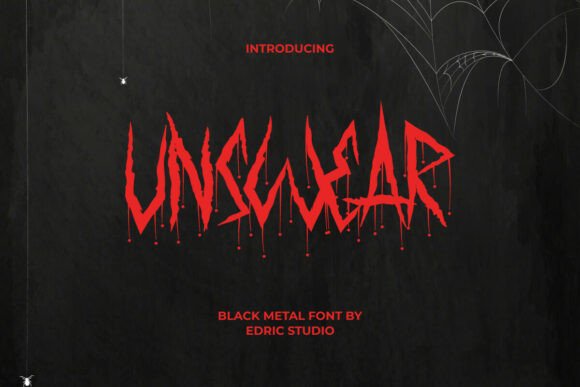
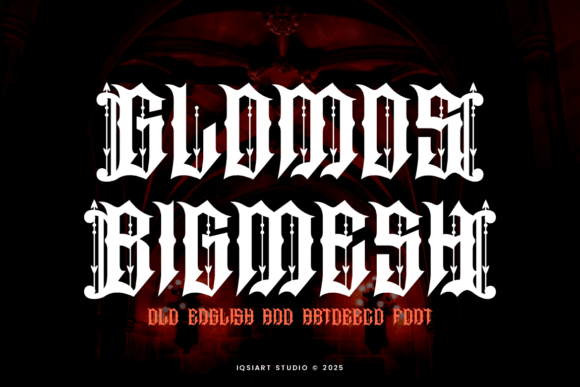
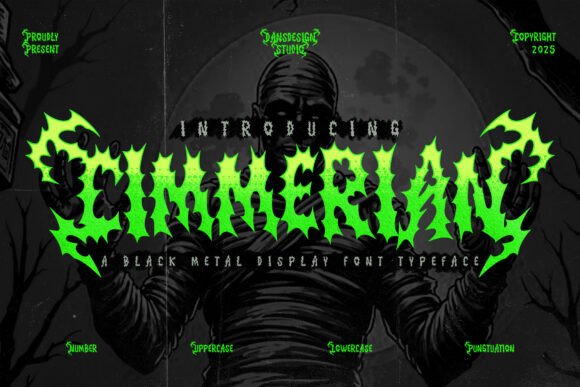
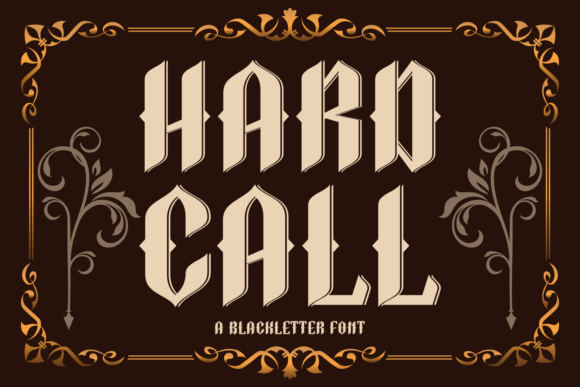
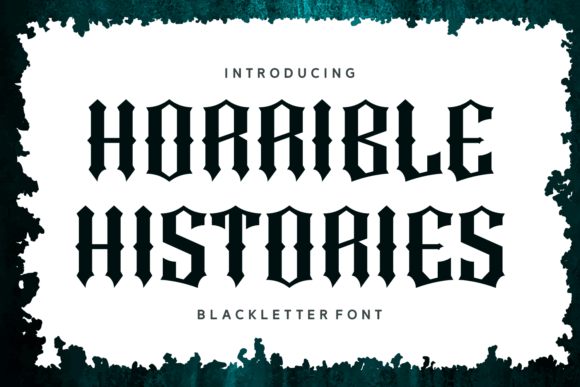
Blackletter fonts have long been associated with historical documents, gothic architecture, and old-world charm. Horrible Histories, however, takes this classic style and injects it with a modern edge. Its spiked serifs, sharp corners, and tightly packed letterforms are reminiscent of ancient texts but designed to make an immediate visual impact in today’s digital landscape.
The name “Horrible Histories” itself evokes a sense of intrigue and unease, which aligns perfectly with the font’s aesthetic. It’s not just about looking back in time; it's about creating a mood — one that feels ominous, powerful, or deeply rooted in history. The font captures the essence of stories that whisper through the ages, from ghostly legends to twisted chronicles.
Key Features of Horrible Histories
- Spiked Serifs: Each character features sharp, angular serifs that add a menacing flair to the text.
- Sharp Edges: The crisp lines and geometric shapes give the font a bold, aggressive presence on any page or screen.
- Tight Kerning: Characters are closely spaced, mimicking the dense, handwritten look of medieval scripts while enhancing readability in large formats.
- High Contrast: The contrast between thick and thin strokes adds depth and complexity to the design.
- Unicode Support: Includes extended characters and symbols, making it versatile for international use and special typographic needs.
Where Can You Use Horrible Histories?
Horrible Histories is ideal for projects where you want to evoke a sense of dread, nostalgia, or historical weight. Some of the most common applications include:
- Horror Titles: Whether it's for a book, film, or short story, this font delivers the chills with its dramatic appearance.
- Game Logos: Video games, board games, and role-playing game (RPG) titles benefit from the font’s intense and immersive vibe.
- Event Posters: Halloween parties, haunted house promotions, or themed events become more engaging with this font’s eerie energy.
- Gothic-Themed Designs: From fashion branding to album covers, Horrible Histories complements dark and mysterious visuals effortlessly.
- Historical Content: Podcasts, documentaries, and educational materials with a focus on medieval history or folklore gain authenticity with this typeface.
Who Benefits from Using Horrible Histories?
This font appeals to a wide range of users:
- Graphic Designers: Those working in horror, fantasy, or historical genres can leverage Horrible Histories to elevate their project’s tone and visual storytelling.
- Content Creators: YouTube channels, TikTok creators, or podcasters who specialize in spooky or historical content can use the font to enhance their branding and thumbnails.
- Business Owners: Companies selling vintage-inspired products, gothic fashion, or themed experiences may find this font adds value to their marketing collateral.
- Writers and Authors: Book covers, especially in genres like horror, fantasy, or historical fiction, can be transformed with the right typography choice.
- Event Planners: Whether it’s a medieval reenactment or a haunted theater show, the font helps set the scene before a single word is read.
Strengths of Horrible Histories
One of the biggest strengths of Horrible Histories is its ability to convey emotion without relying on imagery. The font speaks volumes through its form, making it perfect for minimalist designs that still need to pack a punch. Additionally, its strong visual identity ensures it remains legible even at larger sizes, which is essential for logos, posters, and headlines.
Another advantage is its adaptability. While it excels in horror-themed work, it can also be used creatively in other contexts — such as punk rock band names, fantasy novels, or even as part of a retro gaming experience. Its versatility allows designers to experiment while maintaining a consistent theme across different platforms and media.
Considerations and Limitations
Despite its many benefits, Horrible Histories isn’t suitable for every situation. Here are some important factors to keep in mind when evaluating its use:
- Legibility in Small Sizes: The intricate details and tight spacing may reduce readability when used in body text or small print. It shines brightest in display settings.
- Design Context: The font works best when paired with appropriate color schemes and backgrounds. Using it against busy or light-colored visuals might dilute its impact.
- Target Audience: If your audience prefers clean, modern aesthetics, this font could feel overwhelming or off-putting. Always consider the message you want to send and whether it aligns with the font’s tone.
- Typing Experience: Because of its complex structure, typing in this font may be challenging for some. It’s recommended for final output rather than drafts or internal documents.
Real-World Scenarios and Applications
Let’s take a closer look at how Horrible Histories can be applied in practical settings:
Example 1: Horror Film Poster
A local independent filmmaker is promoting a new horror movie called “The Crypt Beneath the Abbey.” They want the poster to feel authentic and unsettling. By using Horrible Histories for the title, they instantly create a sense of foreboding. The font complements the background image of a crumbling stone wall and enhances the overall atmosphere of the piece.
Example 2: Medieval-Themed Board Game
A board game company is launching a new RPG titled “Kingdom of the Damned.” The box art includes a knight in armor and a castle shrouded in mist. The title is typeset in Horrible Histories, giving it a tactile, hand-crafted feel that matches the game’s setting. Players are drawn to the package because the font suggests a rich backstory and immersive gameplay.
Example 3: Gothic Fashion Brand Logo
A clothing brand focused on steampunk and gothic styles wants a logo that reflects their identity. They choose Horrible Histories for the brand name, reinforcing the idea of rebellion, darkness, and a love for the past. The font becomes a signature element of their brand, appearing consistently on packaging, social media, and storefronts.
How to Evaluate if Horrible Histories Is Right for Your Project
When deciding whether to use Horrible Histories, ask yourself these questions:
- Does my project require a dramatic or intense visual style?
- Am I targeting an audience that appreciates historical, horror, or gothic themes?
- Will the font be used primarily in headlines or large-format text rather than body copy?
- Can I pair it with complementary design elements to avoid visual clutter?
- Is there a need for the font to stand out in a crowded space, such as a video thumbnail or event flyer?
If you answered yes to most of these, then Horrible Histories could be a great fit. However, if you’re designing something sleek, minimal, or aimed at a broad, non-niche audience, you might want to explore other options that balance creativity with clarity.
Pairing Tips for Better Design Outcomes
To maximize the effectiveness of Horrible Histories, consider pairing it with simpler, sans-serif fonts for supporting text. This contrast allows the headline to dominate while ensuring the rest of the content remains easy to read. Color choices should also reflect the font’s mood — deep reds, blacks, and muted golds often work well.
For digital use, ensure sufficient contrast between the font and the background. Avoid using it on images with high noise or grain, as this can interfere with its fine details. In print, always test it at scale to confirm it looks as intended on physical materials.
Conclusion
Horrible Histories is more than just a font — it's a storytelling tool. With its roots in dark literature and medieval script, it brings a compelling visual narrative to any design. Whether you're crafting a spine-chilling book cover or designing a medieval festival banner, this typeface has the power to captivate and unsettle in equal measure.
However, like any strong typographic choice, it requires thoughtful application. Understand its limitations, know your audience, and use it where it can truly shine. When used correctly, Horrible Histories can transform your design from ordinary to unforgettable.
Explore how this font can serve your next creative endeavor. You might just find that history — particularly the horrible kind — is better told in bold, blackletter style.